
How Many Hours of Wedding Photography Do You Need?
One of the questions I get from almost every couple planning their wedding is some version of, “How many hours of photography do we actually need?”
It sounds like a simple question, but the answer really depends on what you want your wedding photographs to tell. A smaller, more intimate wedding with everything happening at one location may not need the same coverage as a full wedding weekend with separate getting-ready locations, a ceremony, cocktail hour, dinner, dancing, and a late-night exit. The number on the collection matters, but what matters more is what is happening during those hours.
I’ve photographed enough weddings to know that the best coverage is rarely about squeezing as much as possible into a certain number of hours. It’s about giving the important parts of the day enough room to happen naturally.

Start With the Story You Want Photographed
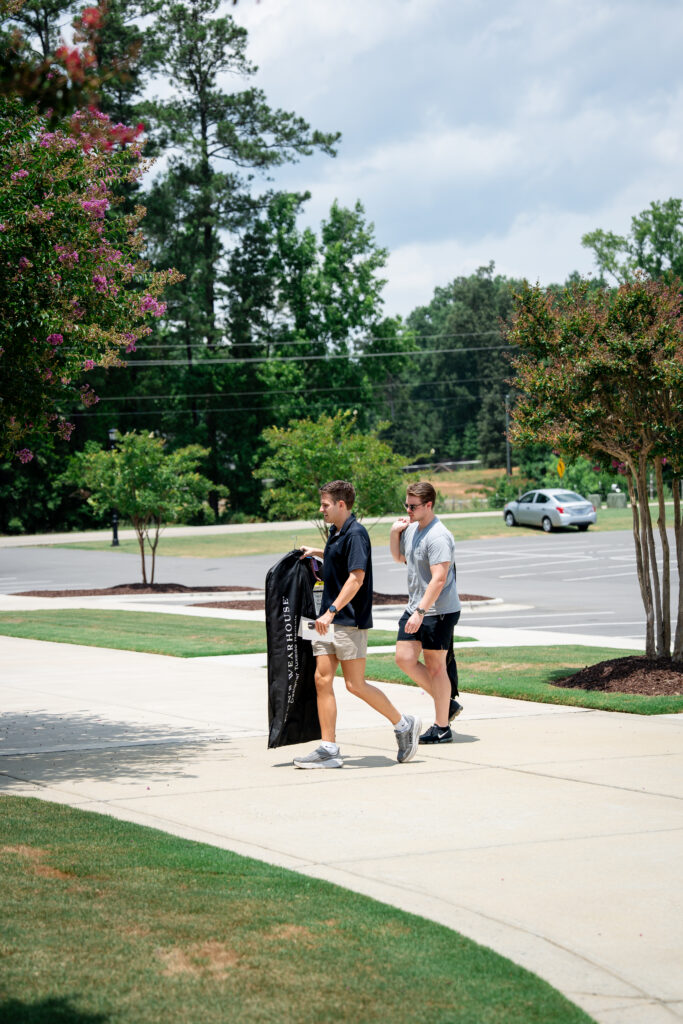
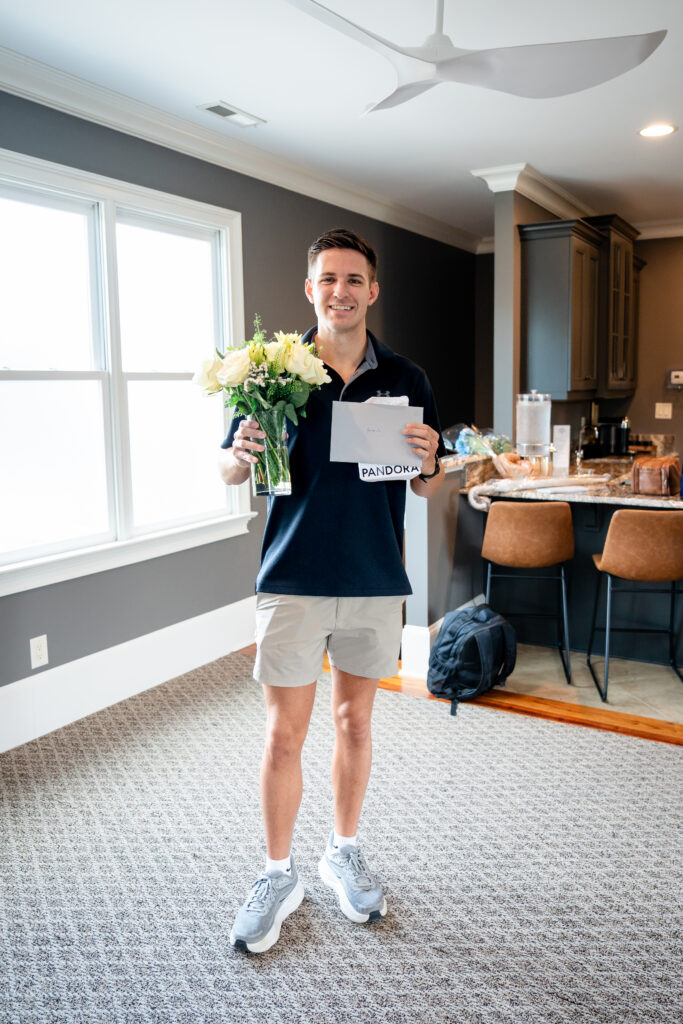
Before looking at an eight, ten, or twelve-hour collection, I always recommend looking at your actual wedding day from beginning to end. Where are you getting ready? Are you and your partner in the same location or across town from each other? Are there meaningful moments happening before the ceremony that you want documented? Will you be doing a first look? Are family portraits happening before or after the ceremony? What does your reception timeline look like, and how late do you want your photographer to stay?
Those details make a much bigger difference than the number of hours printed on a pricing guide.
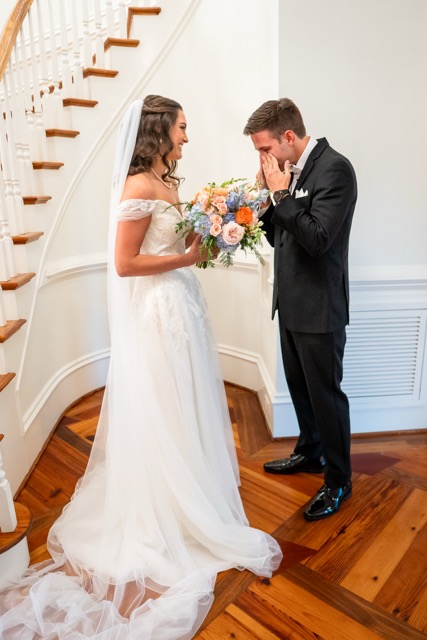
For some couples, eight hours is plenty. If you’re getting ready at the venue, doing a first look, having your ceremony and reception in the same place, and keeping the evening relatively streamlined, there may not be much reason to add several more hours. You can still have the getting ready moments, portraits, ceremony, family photographs, reception, and plenty of dancing without feeling like anything important was missed.
The trouble usually comes when couples try to fit a much bigger wedding into a shorter window. A photographer can move quickly, but your wedding day still has to happen at its own pace. Hair and makeup runs late. Someone can’t find their shoes. A family member disappears when it’s time for portraits. The ceremony starts fifteen minutes behind schedule. Suddenly the beautiful cushion you thought you had is gone, and everyone is rushing through the photographs that were supposed to be one of the more enjoyable parts of the day.
What Eight Hours Usually Looks Like
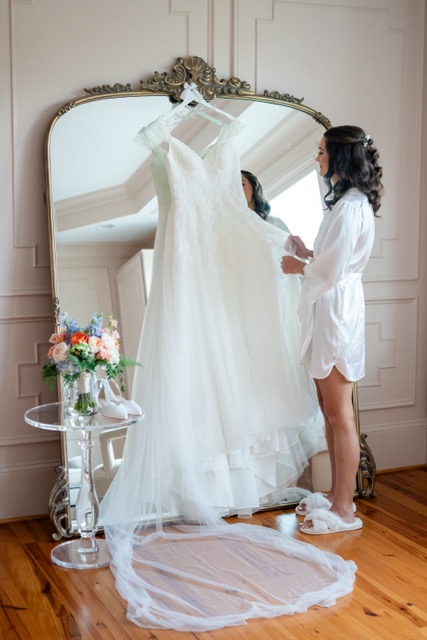
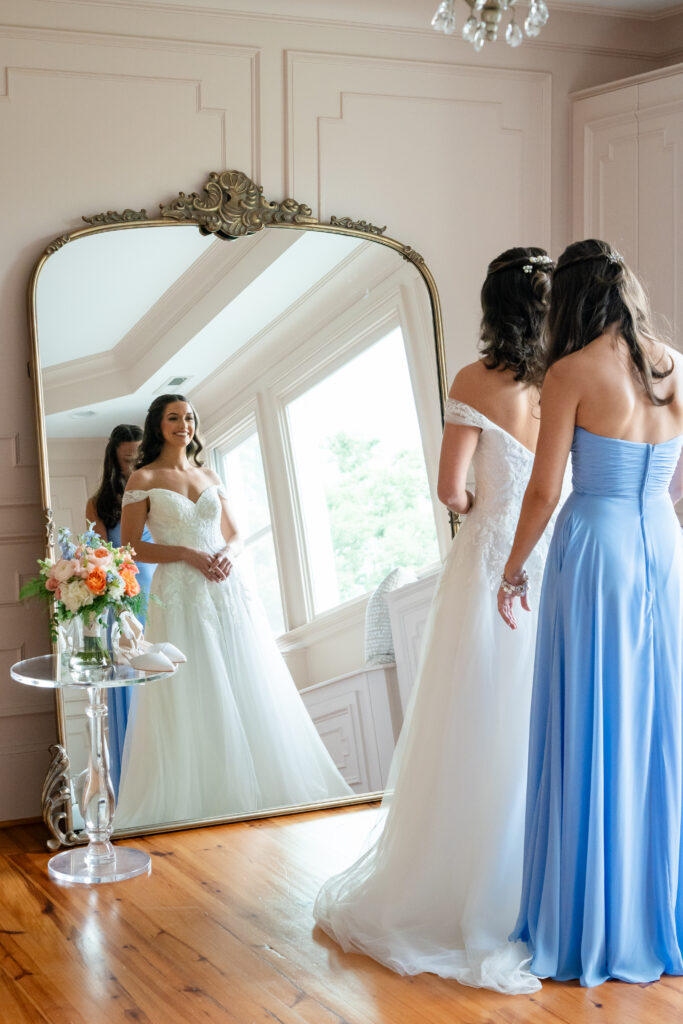
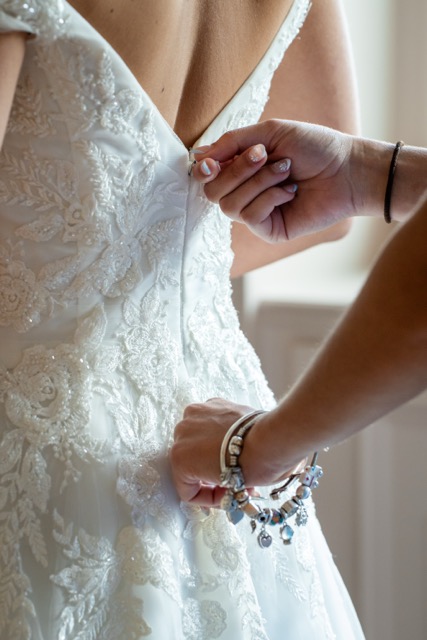
Eight hours can be a great fit for a wedding with a relatively straightforward timeline. Depending on the logistics, that might mean beginning with the final part of getting ready, photographing details and wedding party portraits, moving into the first look and family photographs, covering the ceremony, and staying through a good portion of the reception.
The key is knowing what you’re choosing to leave out. Eight hours may not give you much room for a long getting-ready portion, multiple locations, extensive sunset portraits, and a late reception exit all in the same day. That’s not necessarily a problem. Every couple has different priorities, and there are plenty of weddings where those later moments simply aren’t as important as having more coverage earlier in the day.
What I don’t recommend is choosing eight hours simply because it is the smallest number that technically covers the wedding. Your photographer should be looking at the actual timeline with you and telling you where the coverage begins and ends, rather than assuming you need the biggest collection available. Sometimes eight hours is exactly right. Sometimes it leaves you watching the clock all day.
Ten Hours Gives You Breathing Room
For a lot of full wedding days, ten hours is the sweet spot. It gives us enough time to photograph more of the beginning of the day without sacrificing the parts of the reception that tend to become some of the most fun.
This is especially helpful when you’re getting ready at separate locations, traveling to the ceremony, or planning a longer portrait period. It also gives us a little more flexibility when the timeline inevitably shifts. If hair and makeup takes longer than expected or family portraits need an extra fifteen minutes, we’re not immediately cutting into the reception coverage to make up for it.
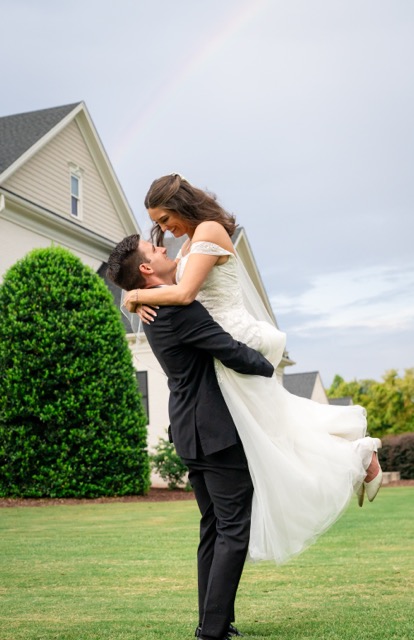
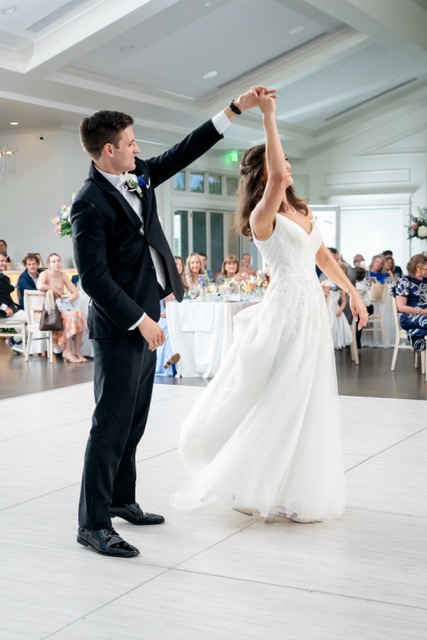
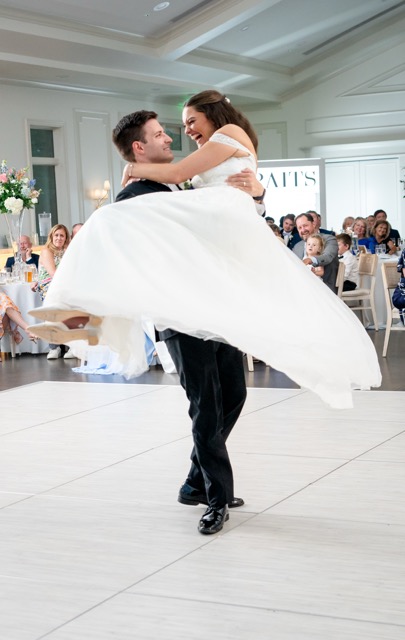
That breathing room matters more than couples sometimes realize. The photographs I love most aren’t always the ones that happen during the perfectly scheduled portions of the day. Sometimes it’s your dad walking into the bridal suite and seeing you for the first time. Sometimes it’s the five minutes you get alone together after the ceremony before everyone finds you. Sometimes it’s the dance floor an hour into the reception when everyone has stopped worrying about how they look and is completely in it. Those moments need time.
You also want time to spend with your guests, so making sure you’re planned enough time for the photos you want plus time to mingle is a top priority!






Twelve Hours Is for the Really Full Wedding Day
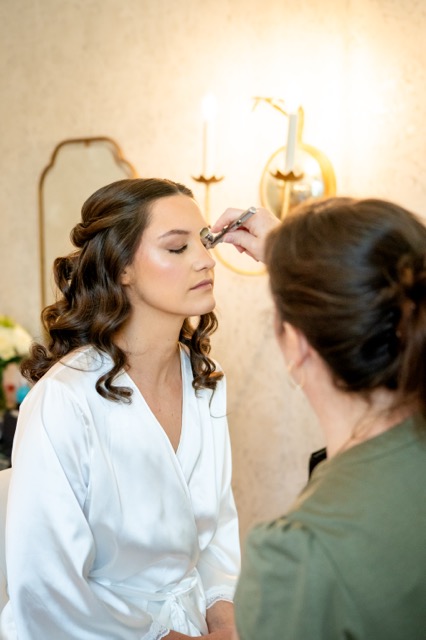
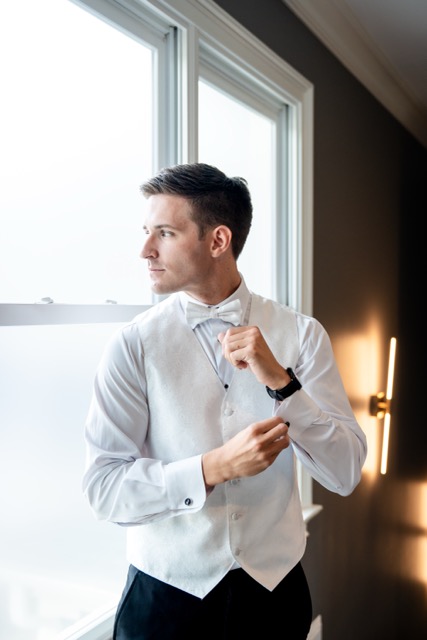
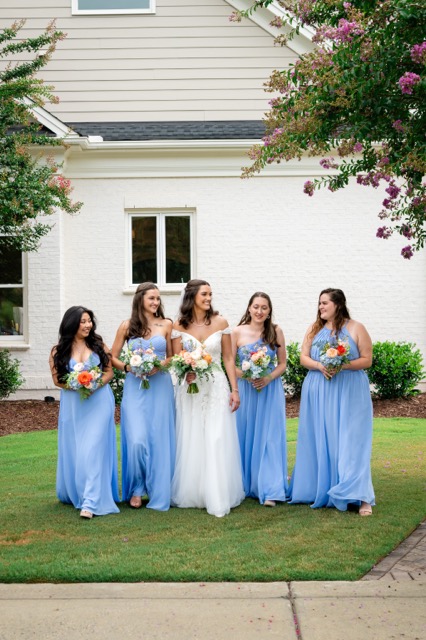
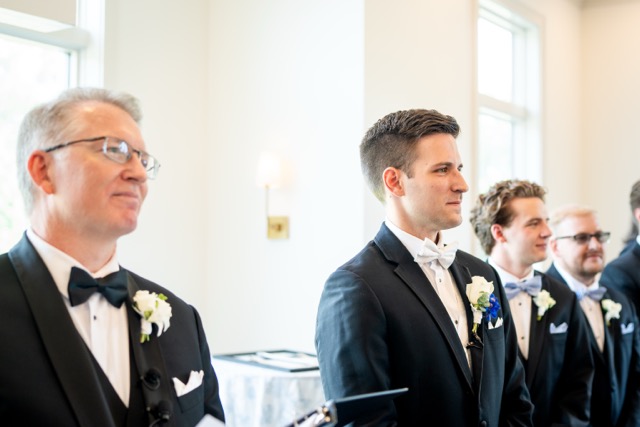
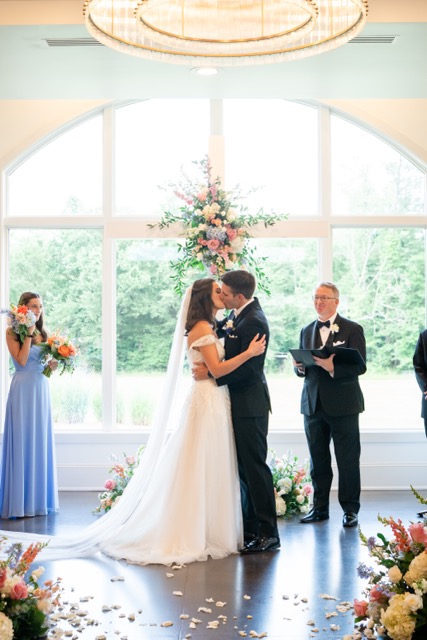
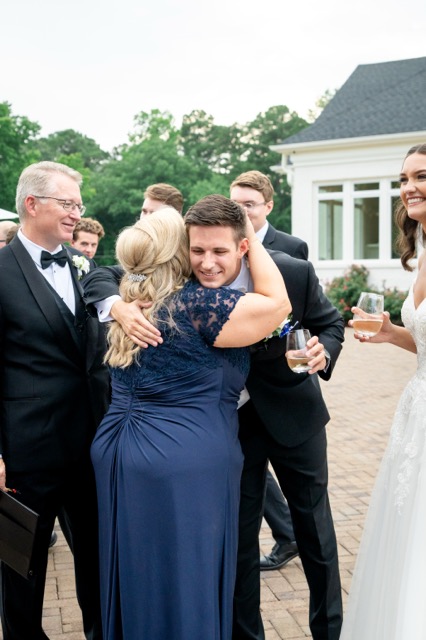
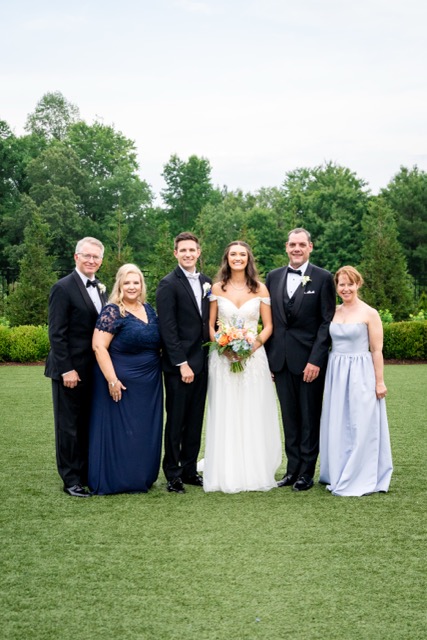
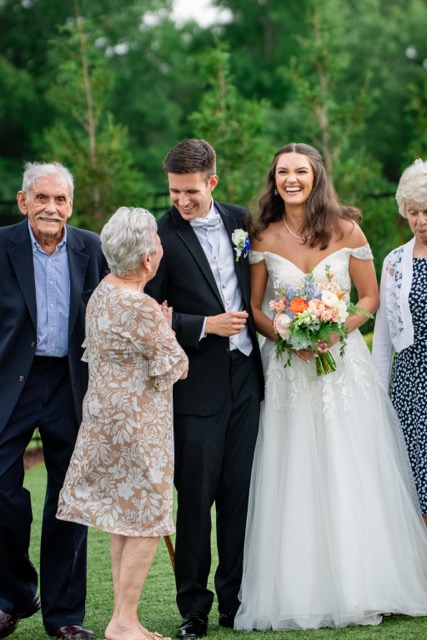
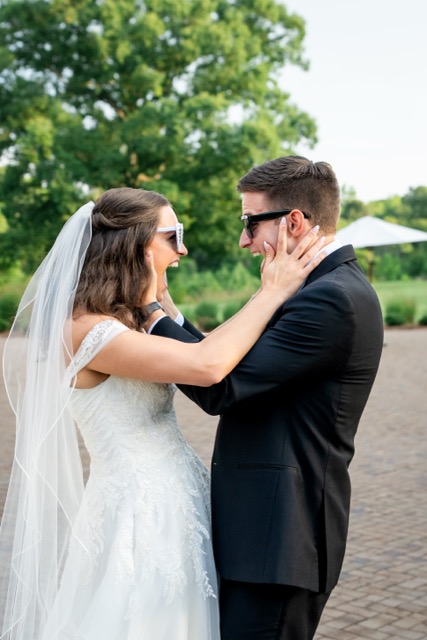
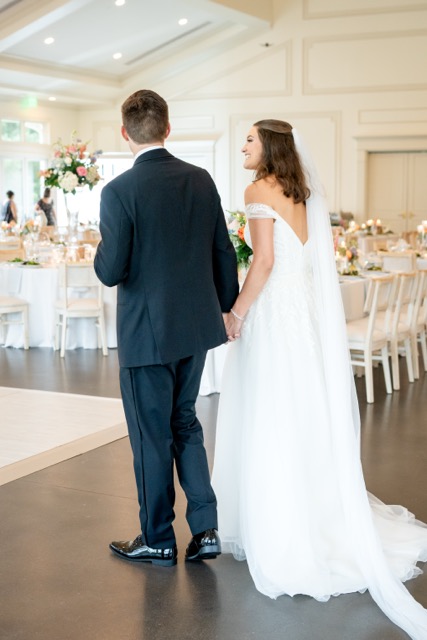
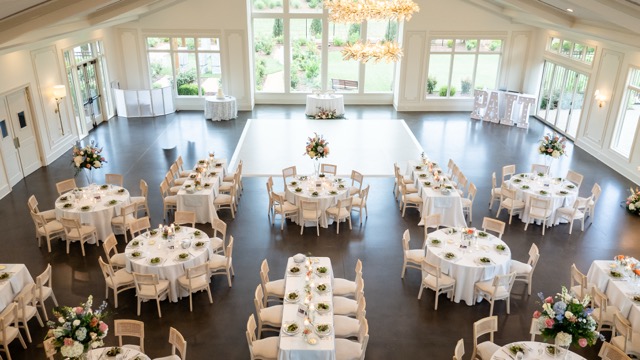
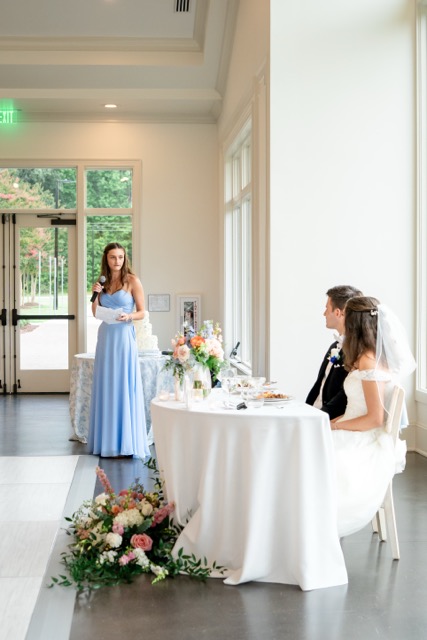
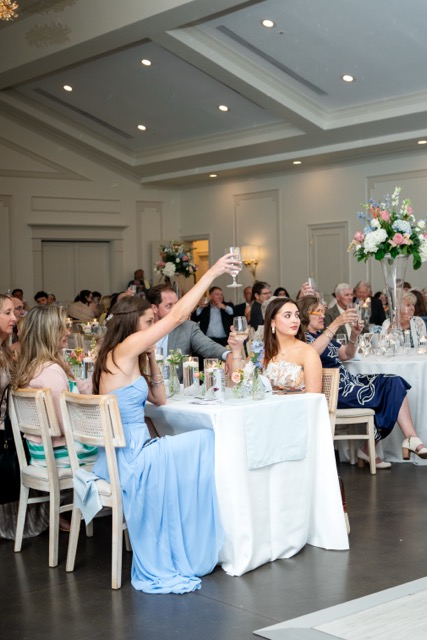
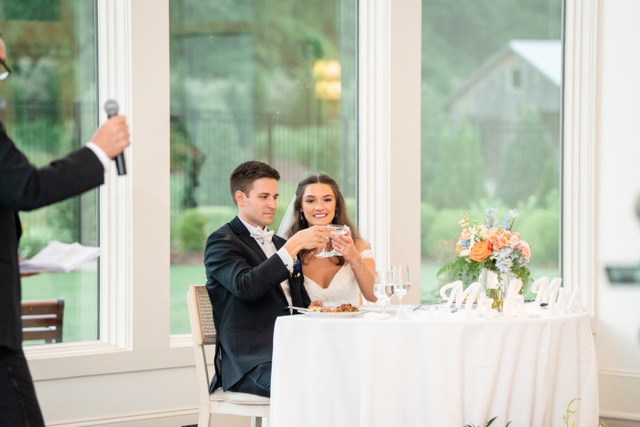
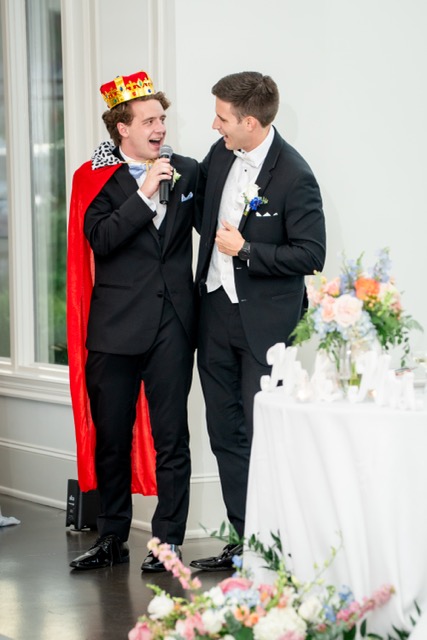
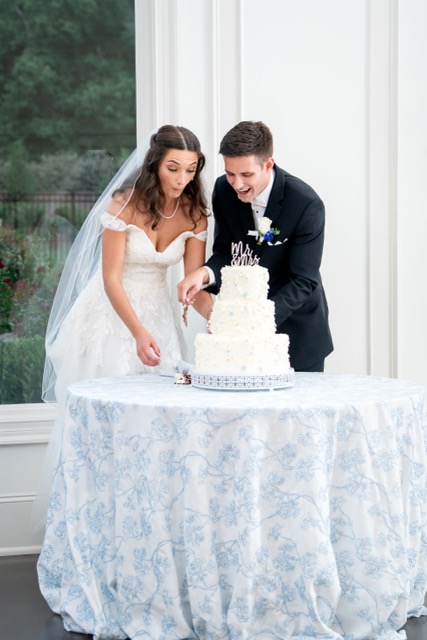
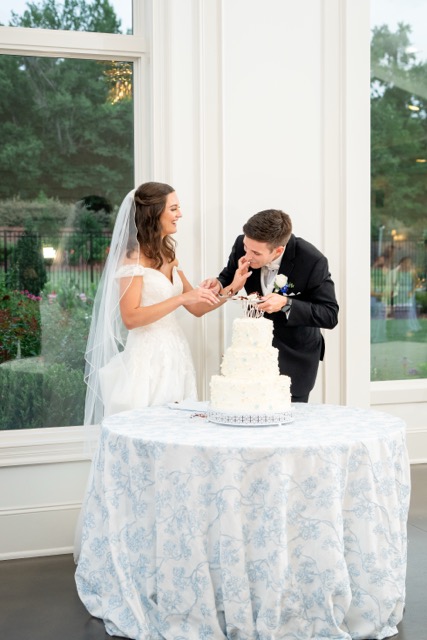
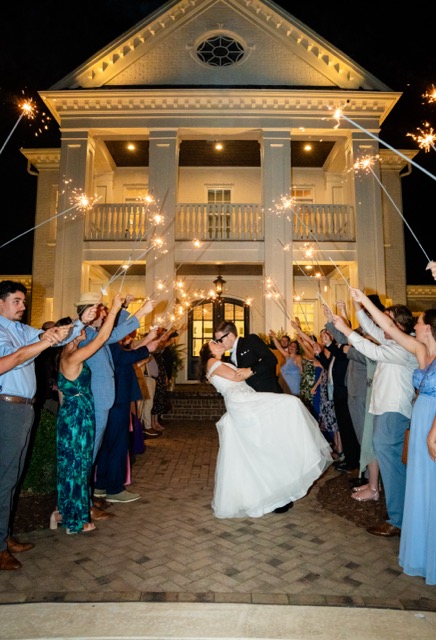
Twelve hours can make sense when your wedding has a lot happening across a long stretch of the day. Maybe you’re planning a larger wedding with separate getting-ready locations, a first look, a ceremony at one venue and reception at another, a cocktail hour, dinner, dancing, and a planned exit. Maybe you simply want the full story from the beginning of the morning through the end of the party.
With that kind of schedule, twelve hours isn’t about having your photographer take photographs every second. It’s about allowing the day to unfold without constantly wondering whether you’re running out of coverage.
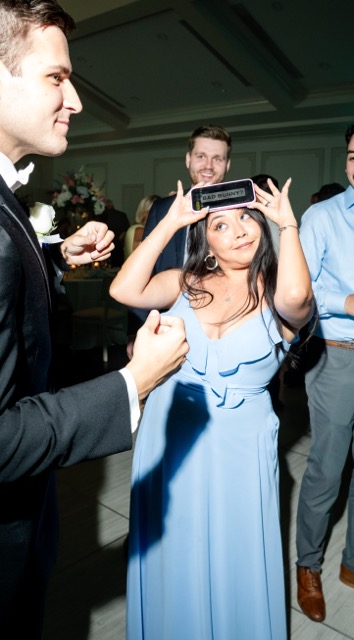
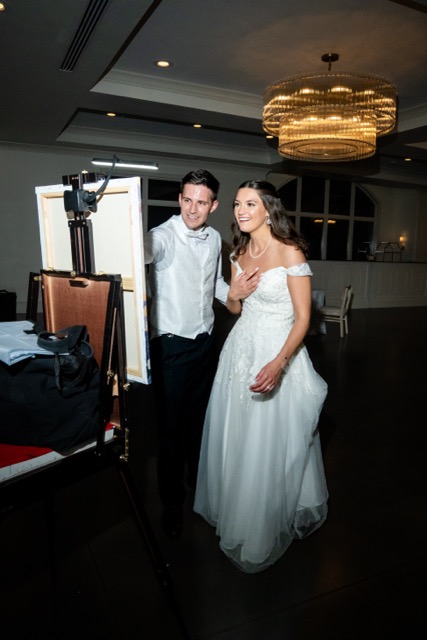
That distinction is important. More hours don’t necessarily mean more photographs. They mean more opportunity for the story to develop naturally. If you want photographs of your friends dancing at the end of the night, your grandparents leaving the reception, or the slightly chaotic final hour when everyone is completely comfortable, you need your photographer to still be there.
I’ve never had a couple tell me they wished we’d left the dance floor earlier.
I have had couples wish we’d stayed longer.
The Biggest Mistake I See Is Booking Too Little
If there’s one thing I’d rather couples do, it’s build their photography coverage around the actual wedding day instead of trying to make the wedding day fit the collection.
Your photographer should be able to look at your timeline and tell you where the coverage needs to begin, where it can reasonably end, and where you might want to build in a little extra room. That conversation should happen before you book, because the right number of hours is going to look different for every wedding.
It is also worth thinking about the parts of the day you care about emotionally, not just logistically. If getting ready with your closest friends is something you’ll want to remember, make sure there is enough coverage for it. If you care deeply about portraits and want plenty of time without feeling rushed, build that into the schedule. If the reception is where you expect the real party to happen, don’t end coverage just before everyone gets on the dance floor.
Your photographs should reflect what mattered to you about the day.
Don’t Forget About the Light
There is another piece of the coverage conversation that gets overlooked all the time: the season you’re getting married in.
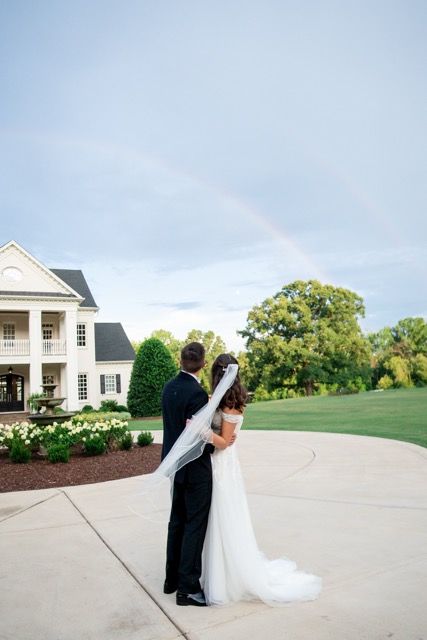
A ten-hour collection in June does not necessarily cover the same portion of daylight as a ten-hour collection in December. In North Carolina, sunset can shift dramatically throughout the year, which means the time of your ceremony, portraits, and reception can change what is possible with natural light.
If golden-hour portraits are important to you, we need to know that before building the timeline. If you’re getting married in the winter and want those beautiful outdoor portraits before the sun disappears, we may need to plan them much earlier than you expect. The same goes for a summer wedding where sunset happens much later and the reception may already be underway before the best evening light arrives.
This is one of the reasons I like to build photography timelines with my couples rather than simply showing up and hoping everything fits. Your coverage should work with the season, the light, and the way you actually want to experience your wedding day.
So… How Many Hours Should You Book?
If your wedding is intimate and relatively streamlined, eight hours may be all you need. For a traditional full wedding day with multiple moving pieces, I generally find that ten hours gives couples a comfortable amount of coverage without feeling excessive. If you’re planning a particularly full day or want photographs from getting ready all the way through the end of the reception, 10 hours can give you the flexibility to tell the whole story without watching the clock. And that’s why all my wedding collections include 10 hours of coverage with the option to extend, so we don’t have to worry so much about timing.
But there isn’t a magic number.
The right amount of wedding photography coverage is the amount that allows us to photograph the parts of your day that you’ll actually want to remember, with enough room that you aren’t spending your wedding day worried about whether we’re running out of time.
Your wedding is going to have its own rhythm. Your photography coverage should fit it.
Ready to Talk Through Your Timeline?

If you’re still not sure how much coverage makes sense for your wedding, that’s something I’m happy to help you figure out. Once I know where you’re getting ready, what your ceremony and reception plans look like, and which parts of the day matter most to you, I can usually tell pretty quickly where you’ll want more breathing room and where you can comfortably save an hour or two.
That’s part of what I do before your wedding day. We’ll build a photography timeline that makes sense for your plans, your priorities, and the light, so you aren’t trying to make a collection fit a day that was never designed around it.
If you’re planning a wedding in North Carolina or somewhere a little farther away, you can get in touch here. I’d love to hear what you’re planning!
xoxo,
Sarah
