
How Many Hours of Wedding Coverage Do We Need? (And Why It Might Be the Wrong Question)
One of the first questions couples ask when they’re looking for a wedding photographer and videographer is, “How many hours of coverage do we need?”
It’s a fair question.
It’s also one of the hardest questions to answer when you’re first booking because at that point, you probably don’t have a timeline yet.
You know where you’re getting married. You know who you’re inviting. You know whether you’re dreaming of a first look or a packed dance floor. But you likely don’t know exactly when hair and makeup will finish, how long family photos will take, or when the send-off will happen.
That’s why I actually think coverage hours are often the wrong place to start.
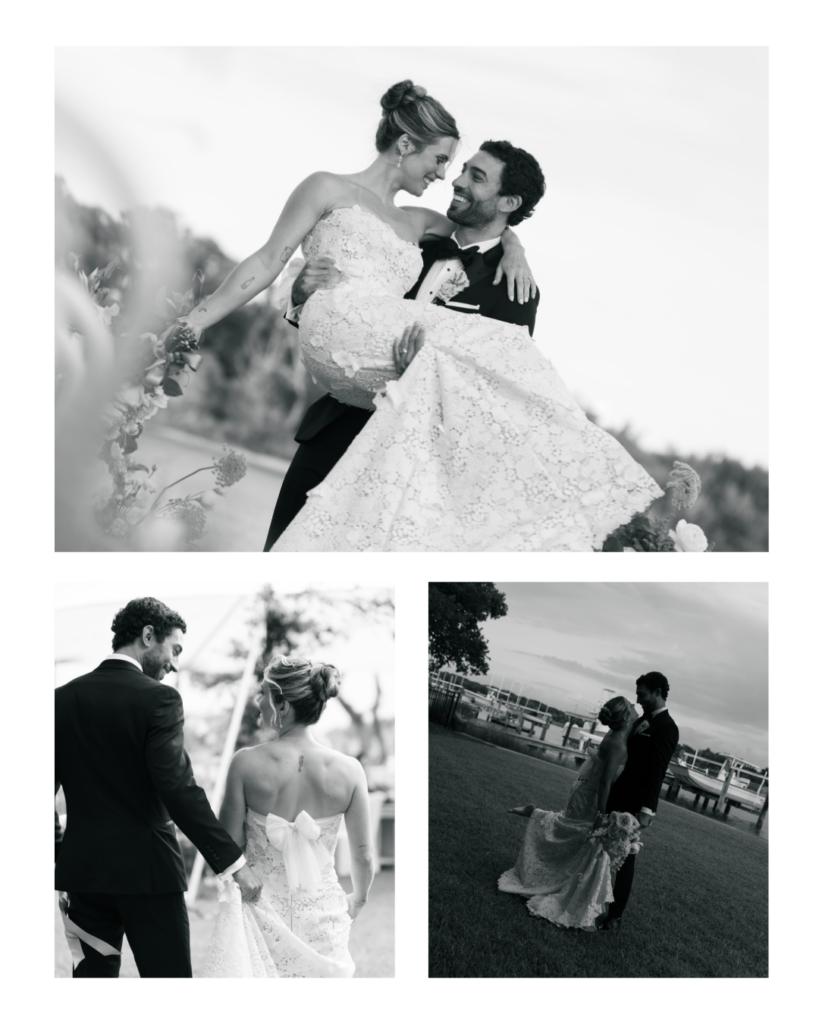
Start With The Events, Not The Hours
When I’m helping couples determine coverage, I’m not asking whether they need eight hours or ten hours.
I’m asking what moments matter most.
Do you want getting ready coverage?
Are there cultural traditions happening throughout the day?
Do you want your full reception documented, including open dancing and your send-off?
Will there be multiple locations?
The answers to those questions tell us far more than a number ever could.
What Most Traditional Weddings Need
For a traditional wedding day, most couples end up somewhere between eight and twelve hours of coverage.
That range allows enough time to tell the story without feeling rushed.
Six hours can work for smaller celebrations or streamlined timelines, but it’s usually the minimum I’d recommend for a full wedding day. Once you start adding separate getting-ready locations, a church ceremony, sunset portraits, or a larger reception, coverage needs can grow quickly.
Why This Gets Confusing
The challenge is that you’re often booking your photographer and videographer long before your planner has built the final timeline.
You’re making decisions based on a wedding day that doesn’t fully exist yet.
That’s one of the reasons I’ve shifted my own process. Rather than focusing heavily on coverage hours, I focus on the events you want documented and build coverage around that.
The goal isn’t to squeeze your day into a package.
The goal is to make sure the story is covered properly.
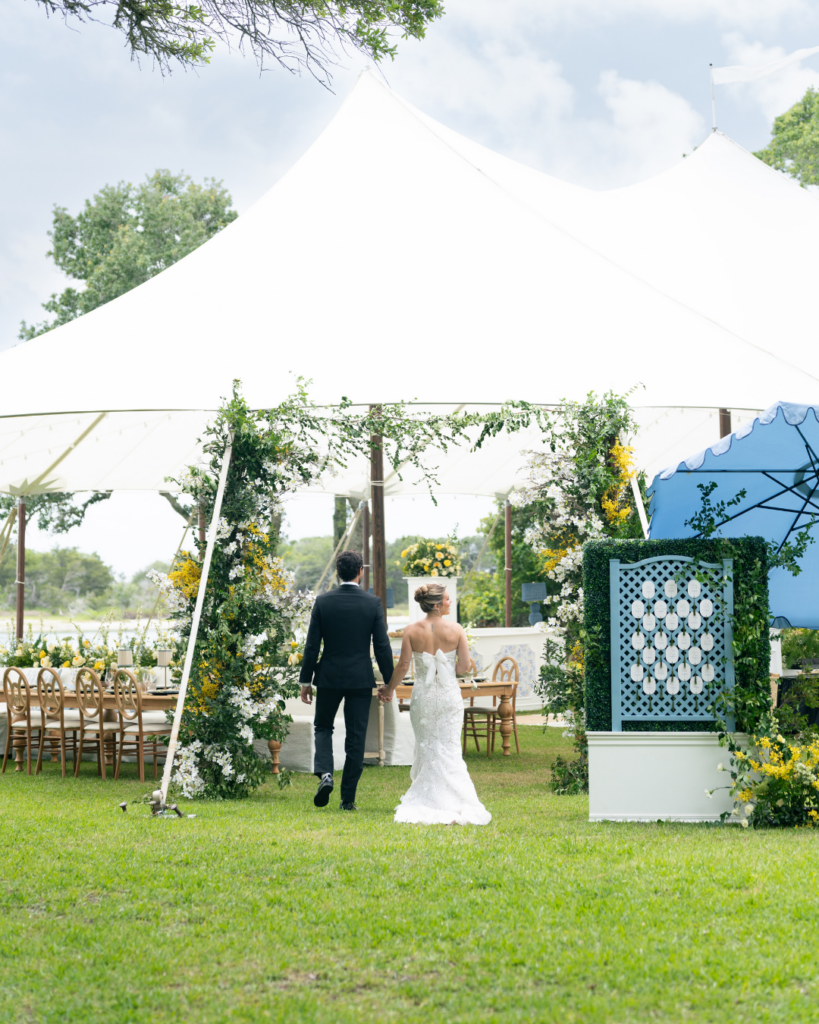

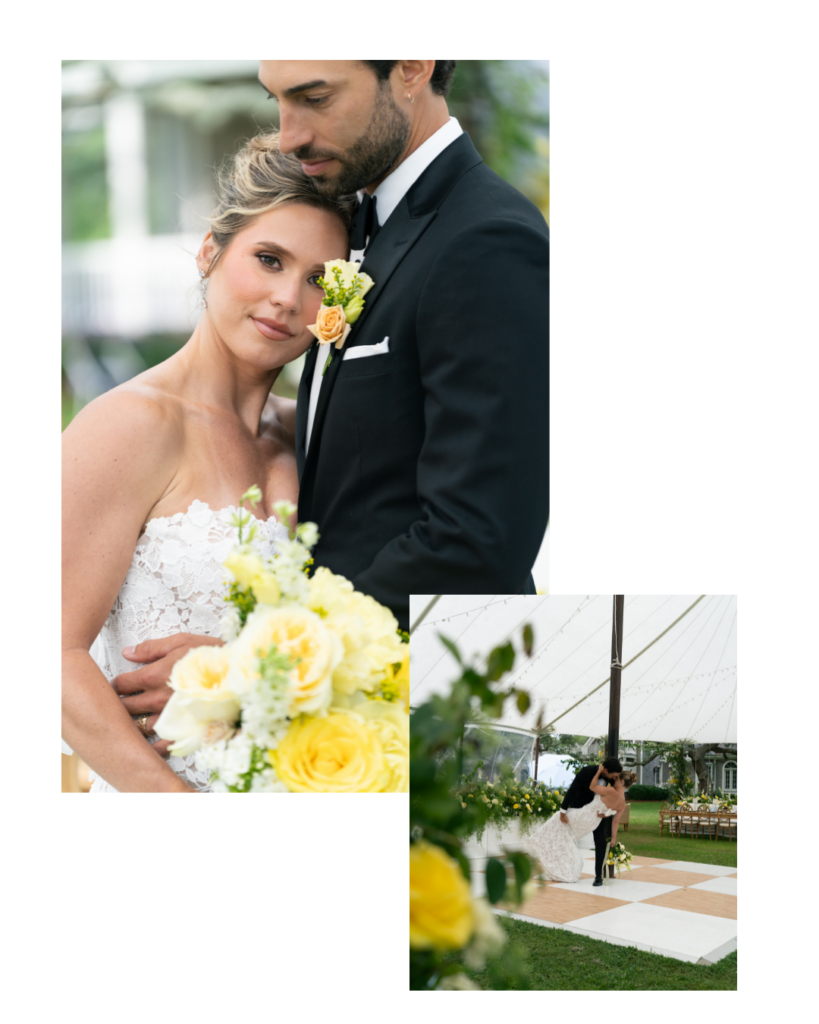

Don’t Stress About Getting It Perfect
If you’re early in the planning process, don’t worry if you don’t know exactly how much coverage you need yet.
That’s normal.
A good photographer or videographer should be able to look at your plans, ask the right questions, and help guide you toward the right amount of coverage.
You shouldn’t feel like you’re guessing.
At the end of the day, the best coverage length is the one that allows you to be fully present while knowing the moments that matter most are being documented from start to finish. If you’re looking for a NC Wedding Photography and Videography team that offers simple, full day coverage, you’re in the right spot. Let’s chat!
