
What to Ask Your Wedding Venue Before You Book
A holistic list of the questions couples often forget to ask
Choosing your wedding venue is one of the biggest decisions you’ll make during the planning process. It sets the tone for the entire celebration and often determines which vendors you can bring in, how the timeline will flow, and where your overall budget lands. A venue’s starting price rarely tells the whole story. Before signing a contract or sending a deposit, there are several questions that can prevent unexpected costs and logistical challenges later. These are the conversations I always recommend couples have with venues during a tour or follow up call.

1. What’s Actually Included With the Venue?
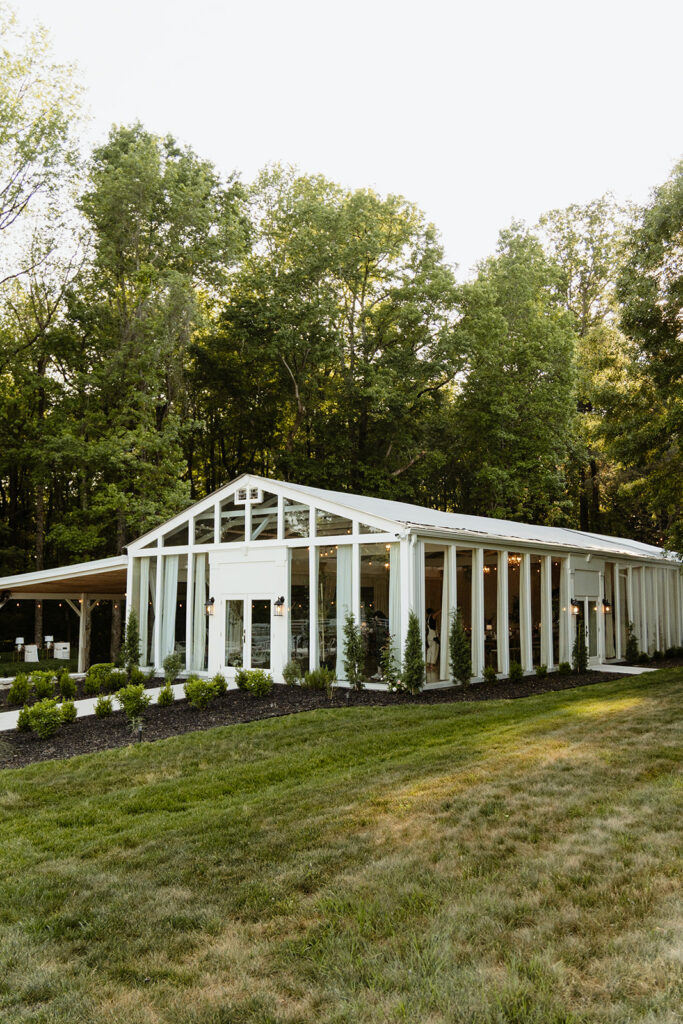
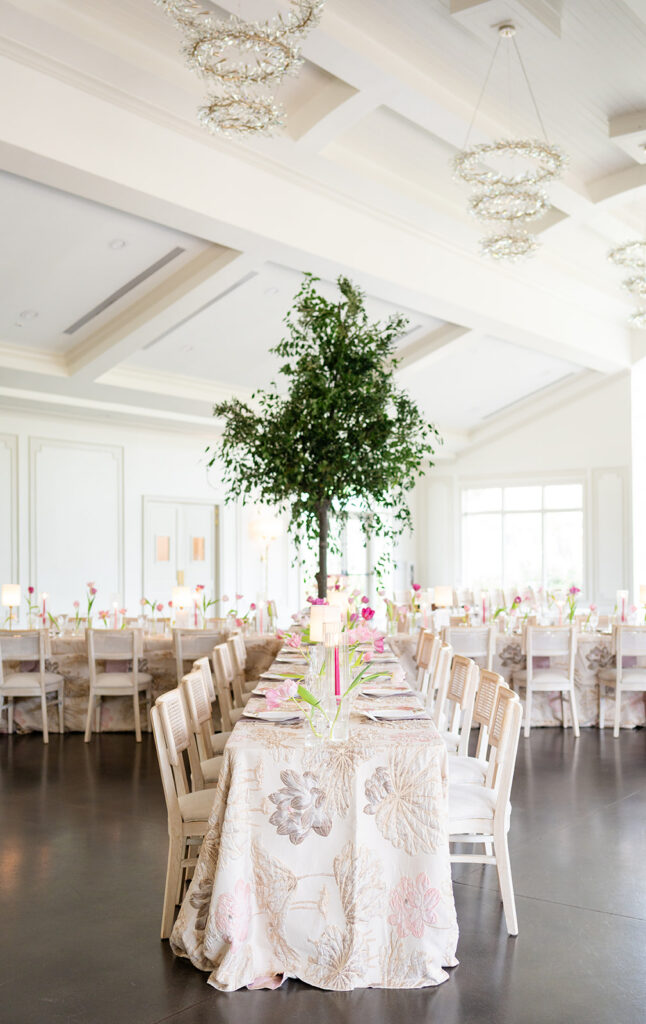
Some venues truly rent the space and nothing else. Others include several elements that would otherwise need to be rented separately. The difference can affect your budget in a major way. Ask for a clear list of everything included in the rental. This may include tables and chairs, linens or napkins, place settings or glassware, ceremony chairs, cocktail tables, lounge furniture, a bridal suite or getting ready space, a groom’s suite, and setup or breakdown services. If these items are included, ask to see them in person or in photos. Styles vary widely and you want them to fit the look you have in mind. If they are not included, you will likely need to rent them through a rental company. Depending on your guest count and design plans, rentals alone can add several thousand dollars.


2. What Are the Access Times?
Access times can heavily influence the flow of the wedding day. Some venues offer full day access while others allow a set number of hours. Ask when vendors can arrive for setup, when the couple can access the space for getting ready, and what time everything must be cleared out. It is also helpful to ask whether additional hours can be added and what that costs. For example, if the ceremony begins at 5 PM but vendors cannot start setup until noon, the planner and vendor team will be working on a tighter schedule. Access time also affects photography coverage. Earlier access often allows for more relaxed getting ready coverage and additional time for portraits before guests arrive.
3. Is Staffing Included?
Venues operate differently depending on their business model. Some function more like event spaces while others operate with a full hospitality team. Ask what staffing the venue provides. This may include a venue coordinator, setup and teardown staff, catering staff, bar staff, parking attendants, or security. It is also helpful to understand what the venue coordinator actually manages. Some coordinators focus on the property itself and do not handle the wedding timeline or vendor coordination. That role is typically handled by a wedding planner. Understanding this early can help couples decide whether hiring a planner or day of coordinator would be helpful.

4. Are Gratuities Included?
Gratuities can sometimes be automatically added to venue or catering contracts. Ask whether gratuities are already included in the pricing. If they are not included, ask what percentage is typically expected and which staff members receive tips. This is particularly important when the venue provides catering or bar service, since service charges and gratuities can significantly increase the final invoice.
5. How Does Catering Work?
Food and beverage is often the largest portion of a wedding budget. Most venues fall into one of three categories. Some provide in house catering only. Others offer a preferred catering list where couples select from approved caterers. Some allow open catering where any licensed caterer can be brought in. Ask whether catering is handled in house or through outside vendors. It is also helpful to ask about food and beverage minimums, the average catering spend for weddings of a similar size, whether tastings are included, and whether there are additional service or staffing fees. Minimums can sometimes appear lower than what couples actually spend once guest counts, rentals, and service charges are factored in.
6. What About the Bar?
Bar service usually has its own pricing structure and policies. Ask whether the bar can be hosted, cash, or customized. Clarify whether alcohol must be provided by the venue or if couples can supply it themselves. It is also helpful to ask about beverage minimums, whether bartenders are included in pricing, and the typical bar spend for weddings with a similar guest count. Some venues also require special event insurance or a licensed bartender when outside alcohol is provided. Learn more about bar services in this blog: Everything You Need to Know About Wedding Bar Options (With Prices!)


7. Do You Have a Preferred or Required Vendor List?
Many venues maintain a preferred vendor list. This can be extremely helpful because these vendors are already familiar with the layout, lighting, and logistics of the venue. It is important to understand the difference between preferred and required vendors. Ask whether you must choose vendors from the list or if you are allowed to bring in your own. If outside vendors are allowed, ask whether there are additional fees for doing so. If certain vendors are required, request pricing ranges or typical budgets for those services before signing on with a venue. This gives you a clearer understanding of the overall investment before committing. Some venues require specific planners, rental companies, caterers, or bar services. Knowing the cost range ahead of time helps prevent surprises later.
8. What Are the Rain Plans?
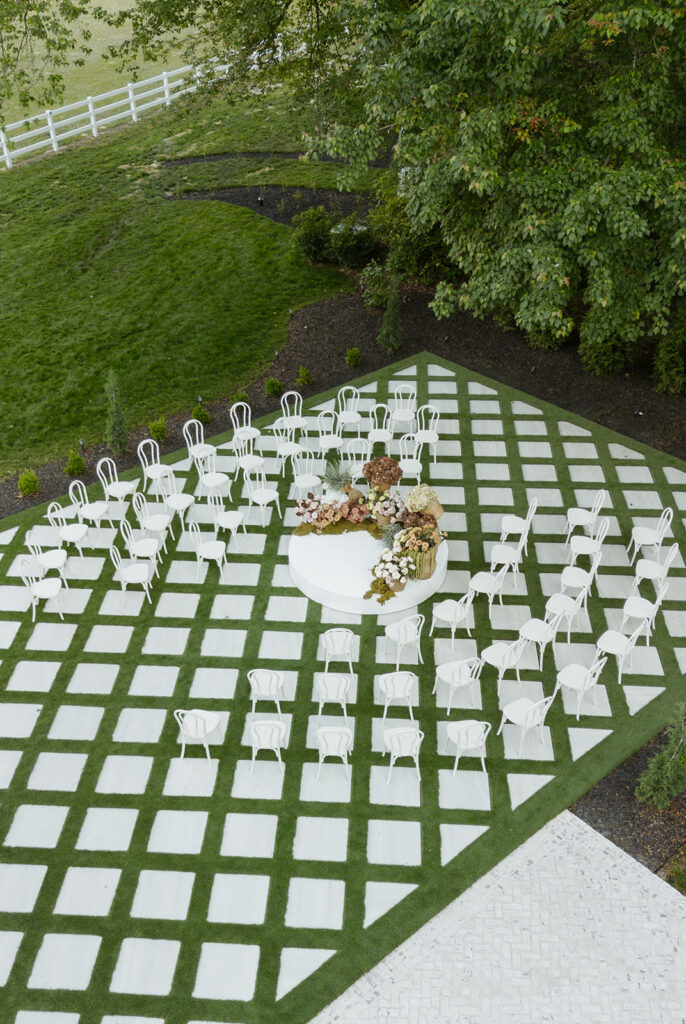
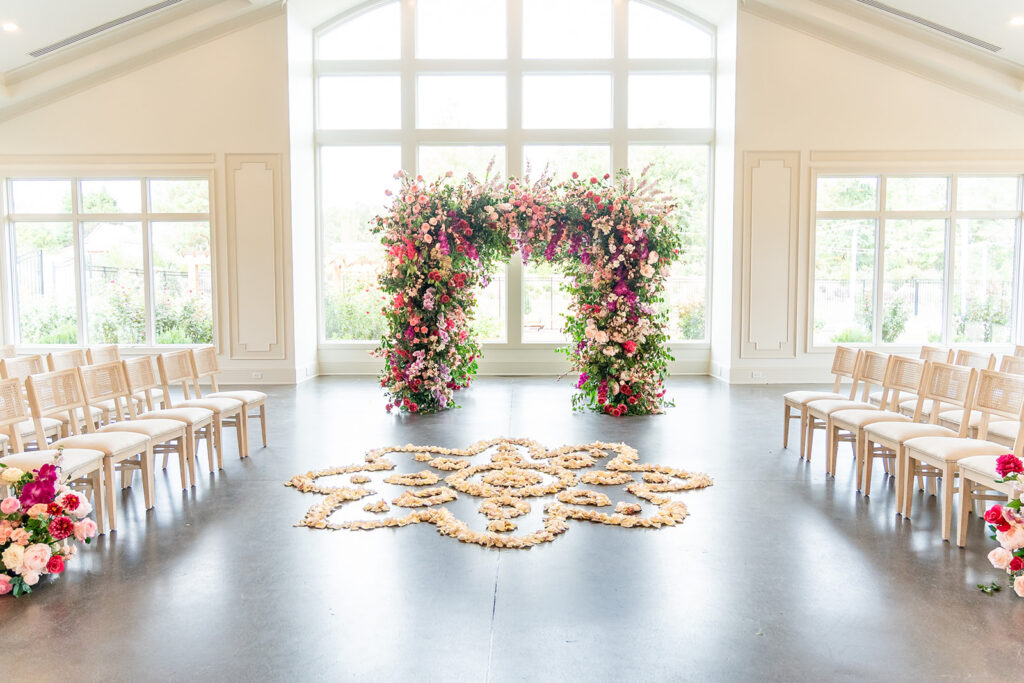
If any part of the wedding will take place outdoors, ask how the venue handles weather changes. Find out where the ceremony would move if it rains and when the decision is typically made to shift indoors. It is also helpful to ask whether the venue staff handles the transition and whether additional fees apply for tenting or other weather related adjustments. Seeing both ceremony setups in person can help couples feel confident regardless of the forecast.
9. Are There Any Vendor Restrictions?
Some venues have policies that affect certain vendors or design elements. These restrictions often exist for safety, local regulations, or property preservation. Ask about noise restrictions or music cutoff times, open flame or candle rules, drone photography policies, confetti or sparkler regulations, and limitations on floral installations or hanging décor. Knowing these guidelines ahead of time prevents issues later in the planning process.
10. What Does the Parking Situation Look Like?
Parking is easy to overlook but plays a big role in guest experience. Ask about guest parking capacity, whether valet service is required, and if shuttle transportation is recommended. You may also want to confirm accessibility accommodations for guests who need them. If parking is limited, couples often arrange transportation from nearby hotels to make things easier for guests. Another thing to note is if the parking lot is in direct view of activities like the ceremony, cocktail hour, or reception spaces. This can affect your photos and noise levels.
Pro Tip:
Hiring your wedding planner BEFORE going venue shopping is the best move. Wedding Planners are happy to work with you without a date set in stone (and if they’re not, this is a sign they have a one man team which not ideal). A seasoned wedding planner will know all these questions to ask, average spend for the aesthetic you want, and how to balance the budget across all your vendors. Here’s some of my favorites in NC:
Lauren O and Co.
Sweet Oak Events
The Gathering Co.
Significant Events
Lion House Events
A beautiful venue matters, but the logistics behind the scenes are what shape the wedding day experience. Asking these questions early helps you understand the full picture. You will know what is included, how the day will run, and what costs to expect. The best venues are transparent and organized and are happy to walk couples through the details. That clarity makes it easier to move forward with confidence.

All photos by me! Hi, I’m Sarah. If you are searching for a team that captures your day through thoughtful documentary driven photography and cinematic film, I would love to connect and hear more about what you are planning. Learn more about NC wedding photography and videography at: www.goldandsage.com
